Followers

Thursday, December 14, 2023

How Fish Oil Works At The Time Of Bodybuilding

Fish Oil is more than suppliment, rich in omega-3 fatty acids, plays a crucial role in the realm of bodybuilding, impacting various physiological processes that contribute to muscle growth, recovery, and overall performance. To understand its effects, we delve into the intricate mechanisms involving inflammation, protein synthesis, and cell membrane health.

**Inflammation and Recovery:**
Omega-3 fatty acids, notably eicosapentaenoic acid (EPA) and docosahexaenoic acid (DHA), possess potent anti-inflammatory properties. Intense workouts induce inflammation, a natural response to tissue damage. However, chronic inflammation can hinder recovery and impede muscle growth. Fish oil helps modulate this inflammatory response, promoting a balance that supports recovery without excessive inflammation.

**Muscle Protein Synthesis:**
Muscle protein synthesis (MPS) is the process by which the body builds new muscle proteins. Omega-3 fatty acids have been shown to enhance MPS, potentially contributing to increased muscle mass over time. This effect is linked to the regulation of key signaling pathways involved in protein synthesis, making fish oil a valuable supplement for those aiming to maximize muscle growth.

**Insulin Sensitivity and Nutrient Utilization:**
Fish oil has been associated with improved insulin sensitivity. Enhanced insulin sensitivity facilitates better nutrient uptake by muscle cells, ensuring that nutrients like amino acids are efficiently utilized for muscle repair and growth. This can be particularly beneficial for bodybuilders aiming to optimize their nutrient partitioning and support muscle-building processes.

**Cell Membrane Integrity:**
Omega-3 fatty acids are integral components of cell membranes. By incorporating these fats into cell membranes, fish oil helps maintain their fluidity and integrity. Healthy cell membranes are crucial for various cellular functions, including nutrient transport, signaling, and overall cell health. In the context of bodybuilding, this can contribute to optimal muscle function and resilience.

**Reducing Muscle Soreness:**
Intense workouts often lead to delayed onset muscle soreness (DOMS). The anti-inflammatory properties of fish oil can mitigate the severity and duration of DOMS, allowing individuals to train more consistently and with less discomfort. This indirect impact on training frequency and intensity can contribute to long-term gains in muscle mass and strength.

**Joint Health and Training Consistency:**
Joint health is paramount in bodybuilding, where repetitive and heavy lifting places considerable stress on joints. Omega-3 fatty acids exhibit anti-inflammatory effects that can benefit joint health, reducing the risk of injuries and supporting overall training consistency. Healthy joints enable athletes to perform at their best without being limited by discomfort or injury.

**Optimizing Hormonal Balance:**
Omega-3 fatty acids play a role in hormonal regulation. Hormones such as testosterone and cortisol influence muscle growth and recovery. Fish oil may contribute to maintaining a favorable hormonal balance for muscle-building purposes, although the specific mechanisms involved require further research.

In conclusion, fish oil's impact on bodybuilding is multifaceted, encompassing inflammation modulation, support for muscle protein synthesis, improved insulin sensitivity, cell membrane integrity, reduced muscle soreness, and joint health. Incorporating fish oil into a comprehensive nutritional and training regimen can be a strategic approach for individuals seeking to maximize their muscle-building potential.

Monday, December 11, 2023

Spot Reduction Is Just A Myth Or True Let's Discuss About That !

Spot reduction of fat is considered a myth. While targeted exercises can strengthen specific muscles, they don't necessarily lead to localized fat loss. Overall body fat reduction through a combination of a healthy diet and regular exercise is more effective.Spot reduction is a concept that has been widely debated within the realms of fitness and weight loss. The idea behind spot reduction is that by focusing on specific exercises targeting particular areas of the body, one can reduce fat in those specific regions. However, the scientific consensus leans toward the notion that spot reduction is largely a myth.

To comprehend the intricacies of spot reduction, it is essential to understand the physiology of fat loss and the role that exercises play in this process. The body stores fat in adipose tissue, which is distributed throughout the body. When the body requires energy, it mobilizes fatty acids from these adipose tissues. The fat loss occurs in a systemic manner rather than being localised to the muscles being exercised.

One of the primary reasons spot reduction is considered a myth is the physiological principle known as the "spot reduction fallacy." This fallacy stems from the misunderstanding that exercising a specific muscle group will lead to the preferential use of fat stores in that area. In reality, the body mobilizes fat stores from various regions, and the reduction occurs uniformly.

Research studies have consistently failed to provide conclusive evidence supporting spot reduction. A study published in the Journal of Strength and Conditioning Research in 2013 investigated the effects of abdominal exercises on abdominal fat. The results indicated that while abdominal exercises strengthened the muscles, they did not induce a significant reduction in abdominal fat.

Moreover, the American Council on Exercise emphasizes that spot reduction is not an effective strategy for fat loss. Instead, it advocates a comprehensive approach involving a combination of cardiovascular exercise, strength training, and a balanced diet to achieve overall body fat reduction.

Cardiovascular exercises, such as running, swimming, or cycling, elevate the heart rate and increase calorie expenditure, contributing to overall fat loss. Strength training builds lean muscle mass, which can boost the metabolism and further aid in fat burning. Additionally, adopting a healthy diet is crucial, as excessive calorie intake can counteract the benefits of exercise.

Understanding the body's energy expenditure is fundamental to debunking the spot reduction myth. The body engages in both aerobic (with oxygen) and anaerobic (without oxygen) activities during exercise. While aerobic exercises are effective for burning calories and promoting overall fat loss, anaerobic exercises, such as strength training, contribute to building muscle.

Muscle tissue has a higher resting metabolic rate compared to fat tissue. Therefore, increasing muscle mass through strength training can lead to a higher basal metabolic rate (BMR), meaning the body burns more calories at rest. This, in turn, contributes to overall fat loss.

The myth of spot reduction is often perpetuated by misconceptions about the relationship between muscle and fat. People may believe that if they exercise a specific muscle group, the overlying fat will automatically diminish. However, fat and muscle are distinct tissues, and the reduction of one does not guarantee the reduction of the other in a localized manner.

It is essential to address the role of genetics in fat distribution. Individuals have varying genetic predispositions that influence where their bodies tend to store and lose fat. This genetic component further complicates the prospect of spot reduction, as one's natural body shape and fat distribution patterns play a significant role in the effectiveness of targeted exercises.

Moreover, the hormonal aspects of fat loss contribute to the complexity of the process. Hormones such as cortisol and insulin influence fat storage and metabolism. High levels of stress, accompanied by elevated cortisol levels, can contribute to abdominal fat accumulation. Therefore, managing stress through techniques like meditation and adequate sleep is crucial for overall fat loss.

Another factor to consider is the concept of 'stubborn fat.' Certain areas of the body, such as the abdominal region in men and the hips and thighs in women, are often considered stubborn areas where fat is challenging to lose. While spot reduction may not be effective, targeted exercises for these areas can still be beneficial for muscle toning and overall health.

In conclusion, spot reduction of fat remains a myth, as scientific evidence consistently refutes the idea that targeted exercises lead to localized fat loss. Instead, a holistic approach involving cardiovascular exercise, strength training, and a balanced diet is recommended for overall fat reduction. Understanding the body's physiological processes, genetic factors, and hormonal influences is crucial for adopting effective and sustainable strategies for achieving fitness and weight loss goals.

Saturday, December 9, 2023

How To Grow Shoulder Effectively

To effectively grow your shoulders, focus on compound exercises like overhead presses, lateral raises, and front raises. Include a mix of high and low rep ranges in your workouts, and ensure proper nutrition and sufficient rest for recovery. Consistency is key for noticeable shoulder development.
For overall muscle development, include compound exercises in your routine. Squats target the lower body, deadlifts work multiple muscle groups, bench presses engage the chest and arms, and overhead presses focus on shoulders. Additionally, pull-ups, rows, and dips contribute to a well-rounded workout for overall strength and muscle growth.

1. **Overhead Press (Barbell or Dumbbell):** Targets overall shoulder development.
  
2. **Lateral Raises:** Isolates the side deltoids for broader shoulders.

3. **Front Raises:** Focuses on the front deltoids, enhancing the anterior shoulder.

4. **Reverse Flyes:** Targets the rear deltoids and upper back.

5. **Shrugs:** Works the upper traps, aiding shoulder and neck development.

6. **Upright Rows:** Engages the lateral deltoids and upper traps.

7. **Face Pulls:** Aids in rear deltoid and upper back development.

8. **Arnold Press:** Combines shoulder rotation, hitting all three deltoid heads.

9. **Push Press:** A dynamic compound movement involving leg drive for heavier loads.

10. **Rotator Cuff Exercises (e.g., External/Internal Rotations):** Important for shoulder joint stability and injury prevention.

Shoulder injuries can occur if exercises are performed with improper form, excessive weight, or inadequate warm-up. Common risks include rotator cuff strains, impingement, and overuse injuries. Ensure proper technique, gradually increase weights, incorporate warm-ups, and listen to your body to minimize the risk of shoulder injuries. If you have pre-existing conditions, consult a fitness professional or healthcare provider for personalized advice.

Friday, December 8, 2023

How to gain lean muscle fast male

To gain lean muscle properly, focus on a combination of proper nutrition, strength training, and recovery. Consume a balanced diet with enough protein to support muscle growth, engage in progressive resistance training, and ensure adequate rest for recovery. Consistency is key, so stick to a well-structured workout routine and monitor your progress. Additionally, consider consulting with a fitness professional to tailor a plan to your specific needs and goals.

A well-managed workout program for lean muscle gain typically includes a mix of compound exercises targeting major muscle groups. Consider incorporating exercises like squats, deadlifts, bench presses, overhead presses, and rows. Aim for 3-5 sets of 8-12 repetitions for each exercise.

Combine strength training with cardiovascular exercises to maintain overall fitness. High-intensity interval training (HIIT) can be effective for burning fat while preserving lean muscle.

Remember, progressive overload is crucial for muscle growth, so gradually increase weights and resistance as your strength improves. Lastly, ensure proper rest and recovery by allowing muscle groups to recover between workouts and getting enough sleep.

Here's a sample workout routine for lean muscle gain. Remember to adjust the weights and intensity based on your fitness level and progress:

**Day 1: Upper Body**

1. Bench Press: 4 sets x 8-12 reps
2. Bent Over Rows: 4 sets x 8-12 reps
3. Overhead Press: 3 sets x 10-15 reps
4. Pull-Ups or Lat Pulldowns: 3 sets x 10-12 reps
5. Tricep Dips: 3 sets x 12-15 reps

**Day 2: Lower Body**

1. Squats: 4 sets x 8-12 reps
2. Deadlifts: 4 sets x 8-10 reps
3. Lunges: 3 sets x 12-15 reps per leg
4. Leg Press: 3 sets x 12-15 reps
5. Calf Raises: 3 sets x 15-20 reps

**Day 3: Rest or Light Activity**

**Day 4: Push Day**

1. Incline Bench Press: 4 sets x 8-12 reps
2. Dumbbell Flyes: 3 sets x 12-15 reps
3. Shoulder Press: 3 sets x 10-12 reps
4. Tricep Kickbacks: 3 sets x 12-15 reps
5. Plank: 3 sets, hold for 30-60 seconds

**Day 5: Pull Day**

1. Barbell Rows: 4 sets x 8-12 reps
2. Face Pulls: 3 sets x 12-15 reps
3. Hammer Curls: 3 sets x 10-12 reps per arm
4. Seated Cable Rows: 3 sets x 12-15 reps
5. Bicep Curls: 3 sets x 12-15 reps

**Day 6: Rest or Light Activity**

**Day 7: Full Body or Active Recovery**

Incorporate compound movements with lighter weights for 3 sets x 15-20 reps each.

Remember to warm up before each session, stay hydrated, and prioritize good nutrition. Adjust the volume and intensity based on your individual response and recovery. Always consult with a fitness professional or healthcare provider before starting a new workout program.

For lean muscle gain, focus on a well-balanced diet that provides adequate protein, healthy fats, and complex carbohydrates. Here's a general guide:

**1. Protein:**
   - Include lean protein sources such as chicken, turkey, fish, eggs, tofu, legumes, and low-fat dairy.
   - Aim for at least 1.6 to 2.2 grams of protein per kilogram of body weight.

**2. Carbohydrates:**
   - Choose complex carbohydrates like whole grains, brown rice, quinoa, oats, sweet potatoes, and fruits.
   - Carbs provide energy for workouts and aid in recovery.

**3. Fats:**
   - Opt for healthy fats from sources like avocados, nuts, seeds, olive oil, and fatty fish.
   - Essential fatty acids support overall health and hormone production.

**4. Vegetables:**
   - Include a variety of colorful vegetables for essential vitamins, minerals, and fiber.
   - Fiber aids digestion and helps maintain stable energy levels.

**5. Hydration:**
   - Drink plenty of water to stay hydrated, support metabolism, and aid recovery.

**6. Meal Timing:**
   - Consume protein-rich meals or snacks every 3-4 hours to support muscle protein synthesis.
   - Consider a protein-rich snack post-workout to aid recovery.

**7. Portion Control:**
   - Pay attention to portion sizes to avoid overeating.
   - Eating smaller, balanced meals throughout the day can be beneficial.

**8. Supplements:**
   - Consider supplements like whey protein, creatine, and BCAAs if needed, but prioritize whole foods.

**Example Meal Plan:**

* **Breakfast:**
   - Scrambled eggs with spinach and whole-grain toast.

* **Snack:**
   - Greek yogurt with berries and a handful of almonds.

* **Lunch:**
   - Grilled chicken breast with quinoa, mixed vegetables, and olive oil.

* **Snack:**
   - Protein smoothie with whey protein, banana, and almond milk.

* **Dinner:**
   - Baked salmon with sweet potato and steamed broccoli.

* **Post-Workout Snack (if evening workout):**
   - Cottage cheese with pineapple or a protein shake.

Remember, individual nutritional needs vary, and it's advisable to consult with a registered dietitian or nutritionist to tailor a diet plan to your specific requirements and goals.


Tuesday, December 5, 2023

Best Tricep workout for all heads in Gym


**Tricep Workout for All Heads:**

*The triceps brachii muscle has three heads: the lateral head, the long head, and the medial head. To effectively target all three heads and promote overall tricep development, incorporate the following exercises into your gym routine:*

1. **Tricep Dips:**
   - Position yourself between parallel bars, supporting your body with straight arms.
   - Lower your body by bending your elbows.
   - Push back up to the starting position.
   - This exercise engages all three tricep heads.

2. **Close-Grip Bench Press:**
   - Lie on a bench and grip the barbell with hands closer than shoulder-width apart.
   - Lower the bar to your chest and push it back up.
   - Emphasizes the inner head of the triceps.

3. **Overhead Tricep Extension:**
   - Use a cable machine or a dumbbell.
   - Lift the weight overhead while keeping your elbows close to your head.
   - Lower the weight behind your head and extend your arms back up.
   - Focuses on the long head of the triceps.

4. **Tricep Kickbacks:**
   - Hold a dumbbell in one hand and place your opposite knee and hand on a bench for support.
   - Extend your arm backward, keeping it close to your body.
   - Squeeze the triceps at the top of the movement.
   - Targets the lateral head of the triceps.

5. **Skull Crushers (lying tricep extension):**
   - Lie on a bench with a barbell or dumbbells.
   - Lower the weight towards your forehead, then extend your arms.
   - This recruits all three tricep heads.

*It's crucial to maintain proper form and control throughout each exercise to maximize effectiveness and minimize the risk of injury. Ensure a balanced approach in your tricep workout routine.


Monday, December 4, 2023

How to grow biceps faster in gym

Growing biceps faster involves a combination of targeted exercises, proper nutrition, and adequate recovery. Focus on compound movements like barbell curls, hammer curls, and concentration curls to stimulate muscle growth. Ensure progressive overload by gradually increasing weights. Consume a balanced diet with sufficient protein to support muscle development. Prioritize rest and recovery, allowing muscles to heal and grow. Consistency in your workout routine and a holistic approach to fitness contribute to achieving faster bicep growth.

Include a mix of compound and isolation exercises in your bicep workout routine. Barbell curls, dumbbell curls, hammer curls, and concentration curls target different parts of the biceps. Ensure proper form to maximize muscle engagement and minimize injury risk. Aim for a variety of rep ranges, combining heavy lifts for strength with moderate rep ranges for hypertrophy. Consistency is key, so stick to your workout plan and progressively increase weights to challenge your muscles.

10 best workout for biceps are:-

1. **Barbell Curl:** Targets overall bicep development by emphasizing the brachialis.

2. **Dumbbell Curl:** Allows for unilateral training, ensuring balanced muscle development.

3. **Hammer Curl:** Focuses on the brachialis and brachioradialis, enhancing forearm strength.

4. **Preacher Curl:** Isolates the biceps by minimizing cheating movements, promoting strict form.

5. **Concentration Curl:** Emphasizes peak contraction, aiding in bicep muscle definition.

6. **Incline Dumbbell Curl:** Alters the angle, emphasizing different parts of the bicep for comprehensive growth.

7. **EZ Bar Curl:** Provides a different grip, targeting the biceps and reducing wrist strain.

8. **Reverse Curl:** Targets the brachioradialis and brachialis, enhancing forearm and bicep development.

9. **Spider Curl:** Performed on an incline bench, isolates the biceps while minimizing back involvement.

10. **21s:** Combines partial reps to fully engage the biceps through different ranges of motion.

Incorporate these exercises into your routine, focusing on proper form and progressively challenging your muscles for optimal bicep growth.

How to maintain good health in old age

Maintaining good health in old age is crucial for a fulfilling life. A balanced diet rich in nutrients, regular exercise to promote physical fitness, and mental well-being through social engagement and cognitive activities are key components. Adequate sleep, regular health check-ups, and preventive measures such as vaccinations also contribute to overall well-being. Additionally, managing chronic conditions, staying hydrated, and maintaining a positive outlook on life are essential for a healthy and vibrant old age.

Certainly, here are some key points to consider for preventive measures to maintain good health in old age:

1. **Regular Exercise:** Engage in regular physical activity to promote cardiovascular health, muscle strength, and flexibility.

2. **Balanced Nutrition:** Consume a well-balanced diet with a variety of nutrients, including fruits, vegetables, whole grains, lean proteins, and healthy fats.

3. **Hydration:** Stay adequately hydrated to support bodily functions and maintain overall health.

4. **Regular Health Check-ups:** Schedule regular check-ups with healthcare professionals to monitor and address any emerging health issues.

5. **Preventive Screenings:** Participate in age-appropriate screenings for conditions such as cancer, diabetes, and cardiovascular diseases.

6. **Vaccinations:** Stay up-to-date on vaccinations to prevent illnesses and complications, especially for flu and pneumonia.

7. **Mind-Body Connection:** Practice stress management techniques and mindfulness to foster mental well-being.

8. **Social Engagement:** Maintain social connections and engage in activities that bring joy and fulfillment to prevent feelings of isolation and loneliness.

9. **Cognitive Activities:** Stimulate the brain with activities like puzzles, reading, or learning new skills to maintain cognitive function.

10. **Adequate Sleep:** Ensure sufficient and quality sleep for overall health and rejuvenation.

11. **Limiting Alcohol and Tobacco:** Moderation or avoidance of alcohol and tobacco can significantly impact long-term health.

12. **Safety Measures:** Create a safe living environment, address fall risks, and take precautions to prevent accidents.

13. **Medication Management:** Adhere to prescribed medications, and regularly review them with healthcare providers to avoid adverse effects.

14. **Weight Management:** Maintain a healthy weight to reduce the risk of chronic conditions such as diabetes and heart disease.

15. **Sun Protection:** Use sunscreen and protective clothing to prevent skin damage from harmful UV rays.

By incorporating these preventive measures into daily life, individuals can enhance their chances of enjoying a healthier and more active lifestyle in old age.

Sunday, December 3, 2023

Push up benefits for women breast

Engaging in regular push-ups can offer various benefits for women, including positive impacts on breast health. While push-ups primarily target the muscles of the upper body, including the chest, shoulders, and triceps, their effects extend beyond mere muscle development. Let's delve into the multifaceted benefits of push-ups for women, particularly focusing on breast health.

**1. ** *Muscle Toning and Strength:*
   - Push-ups are a compound exercise that engages multiple muscle groups, promoting overall upper body strength and toning. This includes the pectoral muscles beneath the breasts, helping to enhance the firmness of the chest area.

**2. ** *Breast Lifting Effect:*
   - Strengthening the muscles around the chest can contribute to a subtle lifting effect on the breasts. While push-ups alone won't reverse the natural aging process or prevent breast sagging entirely, they can help improve the appearance by toning supporting muscles.

**3. ** *Improved Posture:*
   - Push-ups also engage the muscles of the back and core, promoting better posture. Maintaining an upright posture can positively influence the positioning of the breasts, preventing slouching that might contribute to sagging over time.

**4. ** *Increased Circulation:*
   - Regular exercise, including push-ups, boosts blood circulation. Improved circulation helps deliver essential nutrients and oxygen to breast tissues, contributing to overall breast health.

**5. ** *Enhanced Confidence:*
   - Engaging in a consistent push-up routine can lead to improved physical fitness and body confidence. Feeling stronger and more toned can positively impact how a woman perceives her own body, fostering a sense of empowerment.

**6. ** *Weight Management:*
   - Push-ups, as part of a comprehensive fitness routine, can aid in weight management. Maintaining a healthy weight is crucial for overall well-being, and it can also influence breast health.

**7. ** *Prevention of Muscular Imbalances:*
   - Regularly incorporating push-ups into a workout routine helps prevent muscular imbalances. Balanced muscle development is essential for overall body symmetry, including the chest area.

**8. ** *Joint Stability:*
   - Push-ups require the engagement of various joints, contributing to improved joint stability. This is important for overall joint health and can indirectly benefit the breast area.

**9. ** *Stress Reduction:*
   - Exercise, including push-ups, is known to reduce stress by promoting the release of endorphins, the body's natural mood elevators. Stress management is crucial for overall health, and it can indirectly influence breast health.

**10. ** *Breast Cancer Risk Reduction:*
   - While more research is needed, some studies suggest that regular physical activity may be associated with a reduced risk of breast cancer. Incorporating push-ups into a well-rounded fitness routine contributes to overall physical activity.

In conclusion, push-ups offer a range of benefits for women, encompassing both physical and psychological aspects. While they play a role in enhancing muscle tone and strength, their broader impacts on posture, confidence, and overall well-being contribute to positive breast health outcomes. As with any exercise routine, it's essential to start gradually and consult with a healthcare professional if there are any underlying health concerns.

How To Reduce Diabetes


 Reducing the risk and managing diabetes involves a comprehensive approach that includes lifestyle modifications, dietary changes, regular exercise, and medical supervision. Diabetes, particularly type 2, is often linked to unhealthy lifestyle choices, genetics, and other factors. Implementing positive changes can help prevent the onset of diabetes or manage the condition effectively.


**1. Balanced Diet:**

A crucial aspect of diabetes management is maintaining a balanced and nutritious diet. Focus on whole foods, including fruits, vegetables, whole grains, and lean proteins. Limit intake of processed foods, sugary beverages, and excessive carbohydrates. Opt for complex carbohydrates with a low glycemic index to help regulate blood sugar levels.


**2. Portion Control:**

Controlling portion sizes is vital in managing diabetes. Eating smaller, more frequent meals throughout the day can prevent blood sugar spikes. Pay attention to hunger and fullness cues, and avoid overeating. Consistency in meal timing can also contribute to stable blood sugar levels.


**3. Healthy Fats:**

Incorporate healthy fats, such as those found in avocados, nuts, and olive oil, into your diet. These fats can help improve insulin sensitivity and regulate blood sugar. However, moderation is key, as fats are calorie-dense.


**4. Regular Exercise:**

Physical activity plays a significant role in diabetes prevention and management. Aim for at least 150 minutes of moderate-intensity aerobic exercise per week, along with strength training exercises. Exercise helps improve insulin sensitivity, lower blood sugar levels, and maintain a healthy weight.


**5. Weight Management:**

Maintaining a healthy weight is crucial for diabetes prevention and management. Even a modest weight loss can have a significant impact on insulin sensitivity. Combining a balanced diet with regular exercise is an effective strategy for achieving and maintaining a healthy weight.


**6. Hydration:**

Adequate hydration is essential for overall health, including diabetes management. Water helps flush out excess sugar from the blood through urine and supports various bodily functions. Choose water as the primary beverage and limit the consumption of sugary drinks.


**7. Regular Monitoring:**

Frequent monitoring of blood sugar levels is essential for individuals with diabetes. This helps track the effectiveness of lifestyle changes and medication, if prescribed. Regular check-ups with healthcare professionals can provide valuable insights into managing the condition.


**8. Stress Management:**

Chronic stress can contribute to elevated blood sugar levels. Incorporate stress-reducing activities into your routine, such as mindfulness meditation, deep breathing exercises, or yoga. Adequate sleep is also crucial for overall well-being and blood sugar regulation.


**9. Limit Alcohol Intake:**

Moderate alcohol consumption may be acceptable for some individuals with diabetes, but excessive intake can lead to fluctuations in blood sugar levels. If you choose to consume alcohol, do so in moderation and be aware of its impact on your body.


**10. Medical Guidance:**

Consulting with healthcare professionals, including a registered dietitian and an endocrinologist, is essential for personalized diabetes management. They can provide tailored advice, prescribe medications if necessary, and monitor your progress over time.


In conclusion, reducing the risk and managing diabetes involves a multifaceted approach that includes adopting a healthy lifestyle, making informed dietary choices, staying physically active, and seeking professional medical guidance. Consistency and commitment to these lifestyle changes can significantly contribute to better diabetes control and overall well-being.

Friday, June 16, 2023

Yoga: A Mind and Body booster


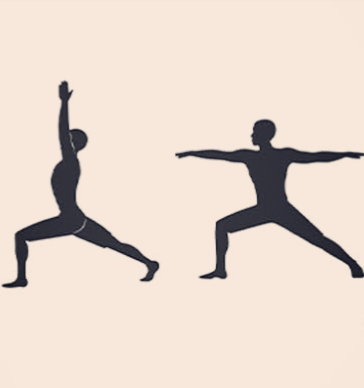
Yoga is a mind and body booster with a 5,000-year history in ancient Indian philosophy. Various styles of yoga combine physical postures, breathing exercises, and meditation or relaxation.


The main components of yoga are:


Physical postures (asanas): Yoga poses are designed to increase strength, flexibility, and balance.

Breathing exercises (pranayama): Yoga breathing exercises help to regulate the breath and promote relaxation.

Meditation or relaxation (dhyana): Yoga meditation helps to focus the mind and promote a state of calmness.

Yoga is a great way to improve your overall health and well-being. It can help to:

Reduce stress

Improve flexibility

Increase strength

Improve balance

Reduce pain

Improve sleep

Boost energy

Improve mood

Reduce anxiety

Improve mental clarity

Increase self-awareness

Promote overall well-being

If you are new to yoga, it is important to start slowly and gradually increase the intensity of your practice. It is also important to find a yoga instructor who is qualified and experienced.


Yoga is a safe and effective way to improve your health and well-being. It is a great way to reduce stress, improve flexibility, increase strength, and improve your overall mood and sense of well-being.


Here are some of the benefits of yoga:


Reduces stress: Yoga can help to reduce stress by promoting relaxation and a sense of calmness.

Improves flexibility: Yoga can help to improve flexibility by stretching the muscles and joints.

Increases strength: Yoga can help to increase strength by building muscle mass.

Improves balance: Yoga can help to improve balance by challenging the body to maintain equilibrium in different positions.

Reduces pain: Yoga can help to reduce pain by improving flexibility and strength, and by reducing stress.

Improves sleep: Yoga can help to improve sleep by promoting relaxation and a sense of calmness.

Boosts energy: Yoga can help to boost energy by improving circulation and reducing stress.

Improves mood: Yoga can help to improve mood by promoting relaxation and a sense of calmness.

Reduces anxiety: Yoga can help to reduce anxiety by promoting relaxation and a sense of calmness.

Improves mental clarity: Yoga can help to improve mental clarity by promoting focus and concentration.

Increases self-awareness: Yoga can help to increase self-awareness by promoting mindfulness and a sense of connection to the body and mind.

Promotes overall well-being: Yoga can promote overall well-being by improving physical health, mental health, and emotional well-being.

If you are interested in trying yoga, there are many different ways to get started. You can find yoga classes at gyms, yoga studios, and community centers. You can also find yoga DVDs and online yoga classes.


When choosing a yoga class, it is important to find a class that is appropriate for your level of experience and fitness. You should also find a class that is taught by a qualified and experienced instructor.


Here are some tips for getting the most out of your yoga practice:


Start slowly: If you are new to yoga, start slowly and gradually increase the intensity of your practice.

Listen to your body: Pay attention to your body and don't push yourself too hard.

Be consistent: The more you practice yoga, the more benefits you will experience.

Find a good instructor: A good instructor can help you learn the correct poses and techniques.

Have fun: Yoga should be enjoyable. If you are not having fun, you are less likely to stick with it.

Yoga is a great way to improve your overall health and well-being. It is a safe and effective practice that can be enjoyed by people of all ages and fitness levels. If you are interested in trying yoga, there are many different ways to get started.

Now a days it's a good to include yoga in syllabus of Education. 

Tuesday, July 21, 2020

Necessary of Exercise which will make you positive.


Exercise is so important that may change our lifestyle but, for some reason still now lots of people just avoid it.I am going to tell you the different person with different thought.       
1) It's a waste of time.
2) Focusing on job is always a better option.
3) Some may thought that  he is not capable to do that.
4) Financially  not possible.
5) want to do but laziness captured.

Now we can see that this type of issue's are responsible for not to doing workout. So I think that I will solve these issues or error. Lets start....

Necessity :
First of all we must understand its necessities!. see In this
modern world people are not at all fit, starting from food habit to complete lifestyle we are just ruined ourselves. We may income lot's of money but after some year our health is  going to so weak that we are unable to move properly. Interesting thing is, for that we are going to depression and after that our behavioural approach also changed and then for maintaining that we need medicine. I just took simple example. Now if we go through regular exercise, (may be for 30 minutes only) our mantel and physical strength is going to help for focusing in our work or study and also it's increase our immune system so in future we can enjoy our life normally.

Which types of exercise we choose?

Lot's of options are there for Exercise like Yoga, Heavyweight, Zumba, Martial Arts or any other... its totally upon you. Only one thing we must need. That is  'DETERMINATION'. It's just like our morning brush. maintain the regularity and that's it.

Simply, one thing  you people understand that  you must make  Exercise is a part of your lifestyle. Then only you will be able to make yourselves healthy.

STAY STRONG STAY HEALTHY. 

The Yoga Revolution: How This Ancient Practice is Transforming the Fitness World

 Introduction Will you know  about the yoga revolution? This ancient practice that originated in ancient India is taking the fitness world b...